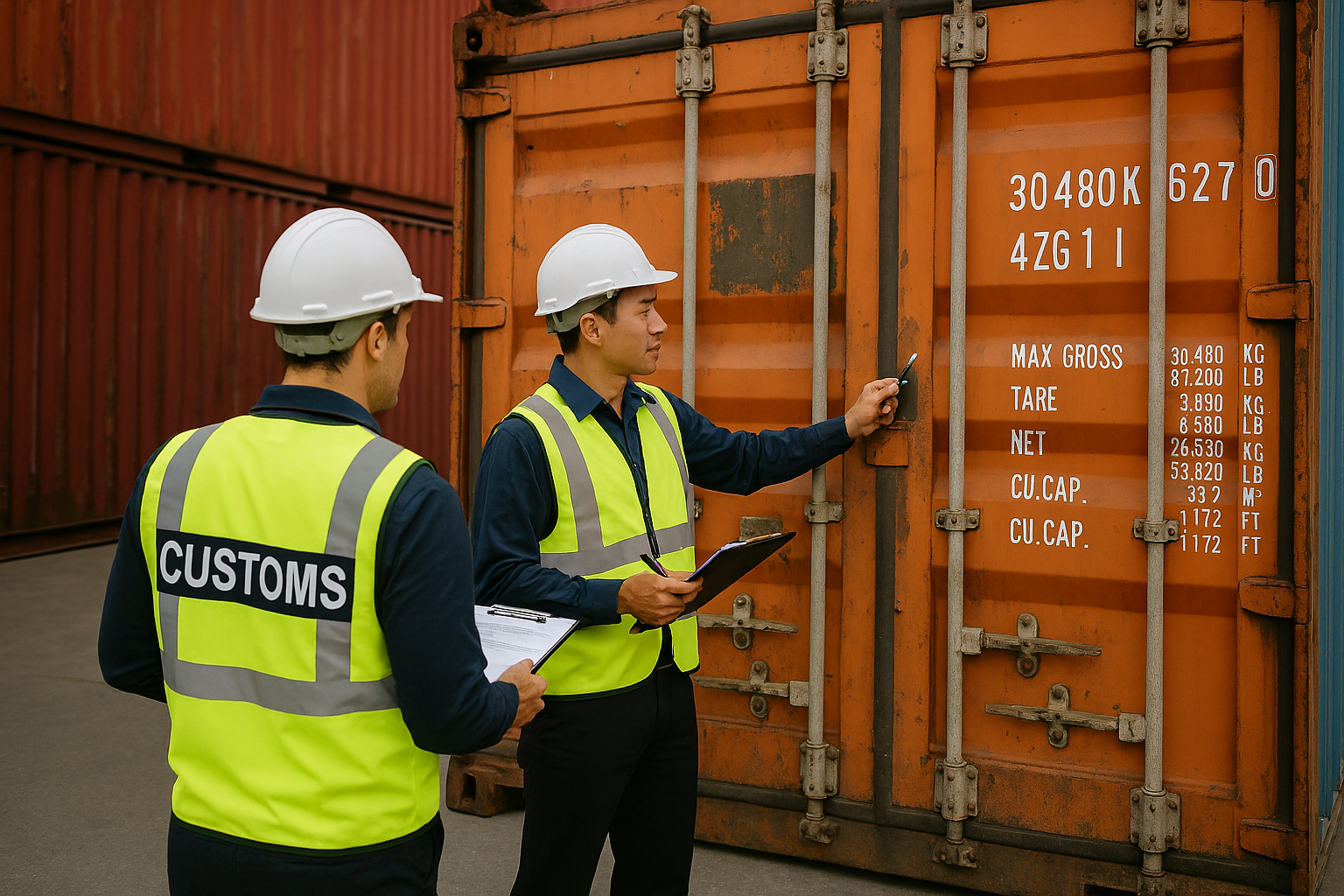
Last month, Ankit Mehta's electronics import business faced a nightmare when his shipment worth ₹50 lakhs got stuck at Mumbai customs for two weeks. The delay wasn't due to any legal issues - it was simply incorrect documentation and lack of understanding about current customs procedures. This costly mistake could have been entirely avoided with proper knowledge of India's customs clearance process.
Customs clearance in India has become significantly more streamlined with digital initiatives, yet many businesses still struggle with the process. Understanding the current system, from ICEGATE registration to final cargo release, can save your business thousands of rupees and countless hours of delays.
Understanding India's Digital Customs Ecosystem
India's customs operations have undergone a massive digital transformation. ICEGATE (Indian Customs EDI Gateway) serves as the primary e-commerce portal offering services like e-filing of Bills of Entry for imports and Shipping Bills for exports, revolutionizing how businesses interact with customs authorities.
This digital ecosystem connects importers, exporters, customs brokers, shipping lines, and government agencies through a unified platform, eliminating much of the paperwork and physical visits that characterized the old system.
ICEGATE Registration: Your Gateway to Digital Customs
Before any customs activity, businesses need ICEGATE registration. Without a registered ICEGATE ID, businesses cannot submit essential documents like Shipping Bills for exports and Bills of Entry for imports online.
Types of ICEGATE Registration:
- Importer/Exporter Registration: Required for businesses directly engaging in international trade. You'll need your IEC (Import Export Code), PAN card, and bank details for registration.
- Customs Broker Registration: For licensed customs brokers who handle clearance on behalf of importers and exporters. Requires valid CB license and FIATA credentials.
- Service Provider Registration: For entities like shipping lines, airlines, and courier companies that interface with customs systems.
The Registration Process Step-by-Step:
- Visit the official ICEGATE portal and select appropriate registration type
- Fill the online application with accurate business details
- Upload required documents (IEC certificate, PAN card, bank certificate)
- Pay the prescribed registration fee online
- Submit application and note the acknowledgment number
- Wait for verification and approval (typically 3–5 working days)
- Receive login credentials via registered email
Import Customs Clearance: Detailed Walkthrough
Phase 1: Pre-Arrival Documentation
Before your goods arrive at Indian ports, ensure all documentation is ready:
Essential Import Documents:
- Commercial Invoice from overseas supplier
- Packing List detailing each item's specifications
- Bill of Lading or Airway Bill (transport document)
- Import License (for restricted goods)
- Certificate of Origin (for preferential duty claims)
- Insurance certificate covering transit risks
- Any specific certificates (like FSSAI for food, BIS for electronics)
Phase 2: Bill of Entry Filing
Once goods arrive and IGM (Import General Manifest) is filed by the carrier, importers can file their Bill of Entry through ICEGATE. This document serves as your import declaration to customs.
Key Information in Bill of Entry:
- Accurate goods description and HS code classification
- Correct quantity and unit of measurement
- Declared transaction value
- Applicable duty rates and exemptions
- Bank details for duty payment
Phase 3: Customs Assessment and Duty Calculation
Customs officers assess your goods based on:
- HS code classification accuracy
- Valuation principles under Customs Valuation Rules
- Applicable Basic Customs Duty (BCD)
- IGST calculation at 18% (or applicable rate)
- Any anti-dumping or safeguard duties
- Cess and surcharges if applicable
Phase 4: Risk-Based Cargo Examination
India uses a sophisticated risk management system:
- Green Channel: No examination required – direct clearance
- Yellow Channel: Document verification only
- Red Channel: Physical examination of goods
- Manual Channel: Detailed examination and valuation
Phase 5: Duty Payment and Cargo Release
After assessment, pay customs duties through ICEGATE's electronic payment gateway. Popular payment methods include:
- Internet banking
- Debit/Credit cards
- RTGS/NEFT transfers
Once payment is confirmed, receive the out-of-charge order enabling cargo delivery from customs area.
Export Customs Clearance: Streamlined Process
Export Documentation Requirements:
- Shipping Bill (export declaration)
- Commercial Invoice and Packing List
- Export License (for restricted items)
- Certificate of Origin for preferential trade agreements
- Pre-shipment inspection certificate (if required by importing country)
- Bank Realization Certificate (BRC) for export incentive claims
Export Incentive Schemes Integration
Modern customs systems integrate with export incentive schemes:
- Advance Authorization Scheme: For duty-free import of inputs
- EPCG (Export Promotion Capital Goods): For importing capital goods at concessional duty
- RoDTEP (Remission of Duties and Taxes on Exported Products): Automated refund system
Common Challenges and Professional Solutions
Challenge 1: HS Code Misclassification
Incorrect HS codes lead to wrong duty calculations and potential penalties. Professional customs brokers maintain updated HS code databases and classification expertise.
Solution: Work with experienced brokers who understand product classifications and stay updated on tariff changes.
Challenge 2: Valuation Disputes
Customs may question declared values, leading to delays and additional demands. This often happens with related-party transactions or unusual pricing.
Solution: Maintain proper documentation supporting transaction values, including contracts, payment proof, and market price comparisons.
Challenge 3: Regulatory Compliance for Specific Products
Different products require approvals from various agencies like FSSAI, Drug Controller, BIS, or WPC (Wireless Planning Commission).
Solution: Engage specialists familiar with sector-specific requirements and maintain updated compliance documentation.
Challenge 4: Demurrage and Detention Charges
Delays in customs clearance result in storage charges at ports and penalty fees from shipping lines.
Solution: Prepare documentation in advance, maintain good relationships with customs brokers, and monitor shipment progress actively.
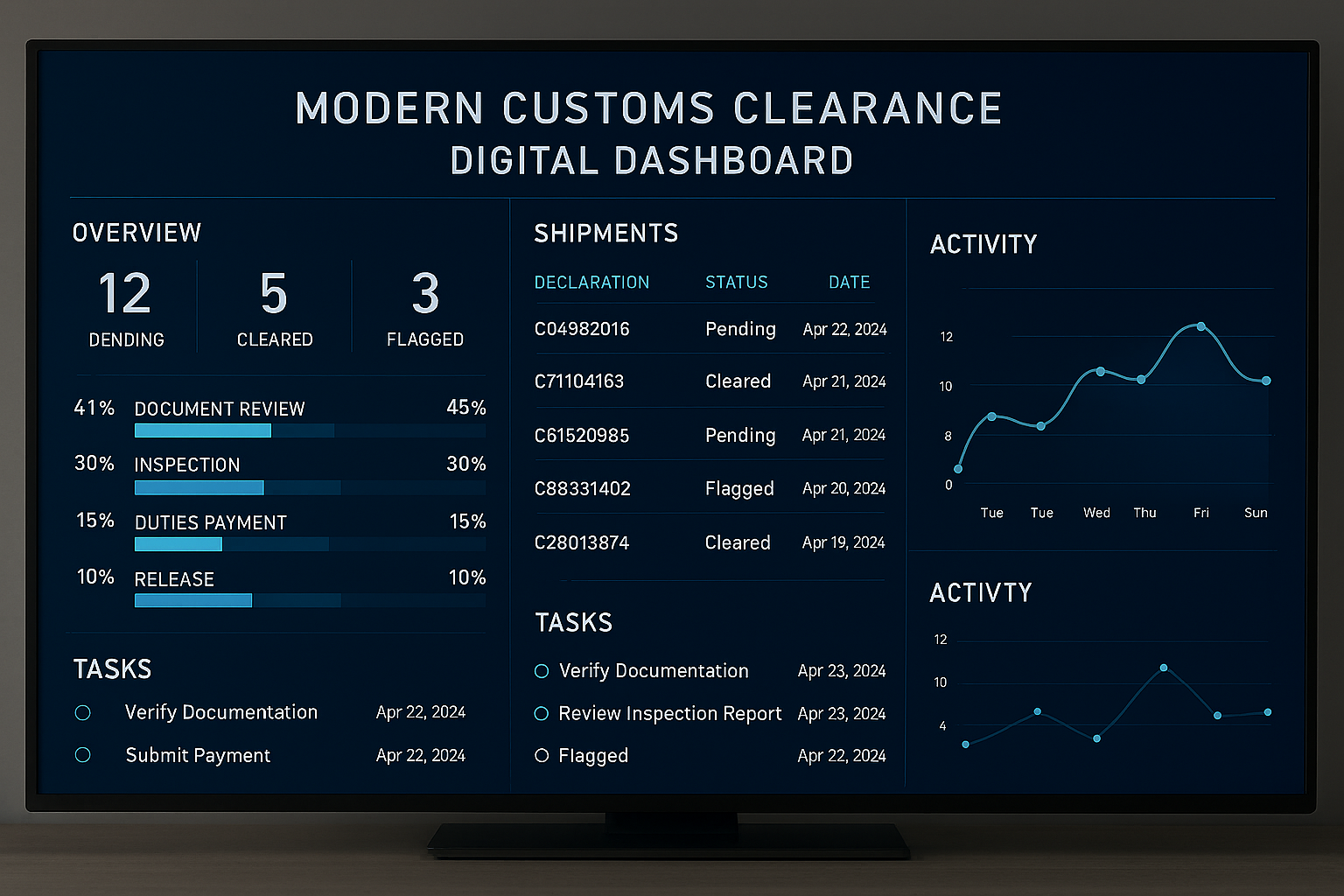
Technology-Enabled Efficiency Improvements
Faceless Assessment
Recent initiatives introduce faceless assessment where customs officers assess bills of entry remotely, reducing physical interface and potential corruption.
SWIFT (Single Window Interface for Facilitating Trade)
This system integrates clearances from multiple agencies into a single platform, reducing time and complexity for businesses requiring multiple approvals.
Risk Management System (RMS)
Sophisticated algorithms analyze import patterns, helping honest traders get faster clearances while focusing enforcement on suspicious transactions.
Mobile Applications
Customs departments offer mobile apps for:
- Duty calculation
- Track shipment status
- View assessment orders
- Make payments
Cost Management Strategies
Advance Ruling Mechanism
For complex classification or valuation issues, businesses can seek advance rulings from customs authorities, providing certainty on duty liability before importing goods.
Self-Assessment Facility
Registered importers with good compliance records can self-assess their bills of entry, significantly reducing clearance time.
Authorized Economic Operator (AEO) Program
AEO-certified businesses enjoy benefits like:
- Expedited customs clearance
- Reduced physical examinations
- Direct port delivery facility
- Simplified procedures for authorized operations
Best Practices for Smooth Customs Operations
- Maintain Accurate Records: Keep detailed records of all transactions, correspondence with suppliers, and payment proofs. This documentation proves invaluable during customs assessments or disputes.
- Stay Updated on Policy Changes: Customs policies and duty rates change frequently. Subscribe to official notifications and maintain relationships with professional advisors who track regulatory changes.
- Build Relationships with Reliable Service Providers: Work with licensed customs brokers who have experience in your industry and maintain good relationships with port authorities.
- Implement Internal Compliance Systems: Develop internal procedures for document verification, HS code determination, and valuation accuracy to prevent errors before submission.
Frequently Asked Questions
Q: How long does customs clearance typically take in India?
A: With proper documentation, import clearance takes 24–72 hours. Export clearance is usually faster, often completed within 24 hours. Delays occur mainly due to documentation issues or physical examination requirements.
Q: What are the penalties for customs violations in India?
A: Penalties vary based on violation type but can include confiscation of goods, monetary penalties up to 5 times the duty amount, and prosecution for serious violations. Prevention through proper compliance is always better than dealing with penalties.
Q: Can I handle customs clearance without a customs broker?
A: Yes, businesses can handle their own customs clearance through ICEGATE self-service options. However, professional brokers offer expertise, relationships, and efficiency that often justify their fees, especially for complex shipments.
Q: How do I track my shipment's customs clearance status?
A: Use ICEGATE's tracking facility with your Bill of Entry number or Shipping Bill number. Many customs brokers also provide client portals with real-time status updates.


